

What Is Shot Blasting? A Complete Guide to the Shot Blasting Process
Shot Blasting Shot Blasting is one of the most effective surface preparation methods used across manufacturing, construction, automotive, foundry, and steel fabrication industries. If you're wondering what is Shot Blasting, it is a mechanical process that cleans, strengthens, or prepares metal surfaces by propelling abrasive media at high velocity using a Shot Blasting Machine.
The primary purpose of the Shot Blasting Process is to remove rust, mill scale, old paint, oxidation, welding residue, and other surface contaminants. As a result, the metal surface becomes clean, uniform, and ready for painting, powder coating, galvanizing, or other finishing processes. Besides improving surface quality, Shotblasting also increases the durability and performance of metal components by enhancing coating adhesion and reducing surface defects.
What Is Shot Blasting Process?
The Shot Blasting Process is a mechanical cleaning technique that uses high-speed abrasive media to prepare or finish a surface. During the process, the abrasive particles strike the workpiece with controlled force, removing unwanted layers without damaging the base material.
In addition to cleaning, Shot Blasting creates the desired surface profile required for industrial coatings and protective finishes. Depending on the application, the process can produce either a smooth finish or a textured surface that improves coating performance.
Today, industries rely on modern Shot Blasting Machines because they offer faster production, consistent surface quality, reduced manual effort, and better operational efficiency.
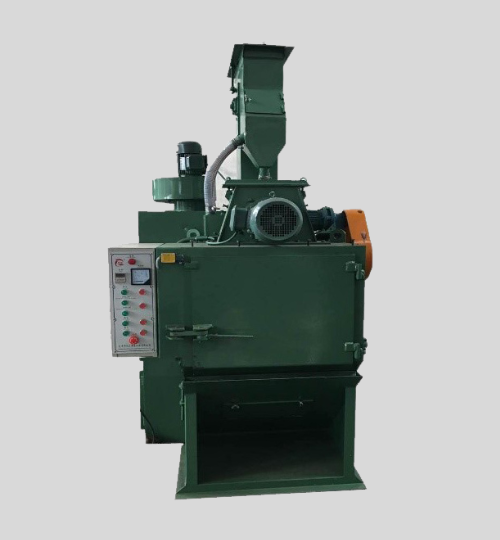
How Shot Blasting Works
The shot blasting process generally follows five straightforward stages.
- Step 1: Abrasive media is loaded into the blasting equipment.
- Step 2: The machine accelerates the media to very high speed.
- Step 3: The propelled particles strike the target surface.
- Step 4: Rust, paint, and embedded contaminants are dislodged and removed.
- Step 5: The cleaned surface is left ready for coating, painting, or further processing.
Types of Shot Blasting Methods
Depending on the application and finish required, industries choose from several shot blasting methods.
1. Grit Blasting
Grit blasting uses angular abrasive particles that cut into the surface instead of peening it. As a result, the metal develops a rough profile that provides excellent bonding for paint, powder coating, and thermal spray coatings.
Compared to bead blasting, grit blasting removes more material and is widely used for heavy-duty industrial cleaning and corrosion removal.
2. Wet Blasting
Wet blasting combines abrasive media with water during the Shot Blasting Process. Because water suppresses airborne dust, it creates a cleaner working environment and reduces heat generation.
This method is commonly used in marine, infrastructure, and restoration projects where dust control is important. However, the process is generally slower than dry blasting and may require immediate drying to prevent flash rust on certain metals.
3. Bead Blasting or Shot Peening
Bead blasting uses spherical media that gently impacts the surface instead of cutting it. Consequently, it forms tiny compressive indentations that improve fatigue resistance and extend the service life of metal components.
This form of Shotblasting is widely used for gears, springs, aerospace components, turbine blades, and precision-engineered parts where strength is more important than aggressive cleaning.
4. Wheel Blasting
Wheel blasting uses a high-speed rotating wheel to propel abrasive media without compressed air. Therefore, it is also known as an airless Shot Blasting Machine.
Because of its high productivity and consistent performance, wheel blasting is commonly used in automated manufacturing lines for castings, forgings, structural steel, pipes, and fabricated components. It is especially suitable for large-volume production.
Shot Blasting Equipment Used in Industry
A range of machines support different stages of the shot blasting process.
Blast Pots
Blast pots are portable pressure vessels designed for on-site Shot Blasting applications. Abrasive media is stored inside a pressurized container and delivered through a blasting hose controlled by the operator.
Modern blast pots include safety features such as a Deadman control handle that immediately stops blasting if the operator releases the trigger, improving workplace safety.
Blast Cabinets
Blast cabinets are enclosed Shot Blasting Machines used for cleaning smaller components with precision.
Operators work through built-in gloves while the cabinet safely contains the abrasive media. These systems include dust collectors and abrasive recycling units, making them economical, environmentally friendly, and suitable for workshops and manufacturing facilities.
Blast Rooms
Blast rooms are large, purpose-built enclosures designed for heavy-duty shotblasting work.
Heavy equipment, fabricated structures, rail coaches, construction machinery, pipelines, and ship sections can be cleaned efficiently inside these controlled environments.
A typical blast room is equipped with:
- A fully enclosed blasting chamber
- Pneumatic blasting machinery
- An integrated dust collection system
- Equipment for recycling abrasive media
Blast Media Used in Shot Blasting
Blast media refers to the abrasive material used during the Shot Blasting Process. Selecting the appropriate media directly affects cleaning efficiency, surface profile, and overall finishing quality.
- Size (Grade) – influences the final surface roughness
- Hardness – typically rated on the Mohs scale
- Shape – either spherical or angular
- Material composition
Together, these factors determine exactly how the final surface finish turns out.
Harder abrasives are ideal for removing heavy corrosion and mill scale, while softer media provide smoother finishes with minimal surface damage.
Choosing the Right Blast Media
Picking the correct abrasive media is one of the most important decisions in any shot blasting job.
Begin by evaluating the base material and the level of contamination. Next, determine the required surface roughness based on the coating specification. Finally, select an abrasive with the appropriate hardness, size, and shape.
For example, chilled iron abrasives perform well for aggressive cleaning of heavily corroded steel, whereas copper slag is widely preferred for portable Shot Blasting Machines used in outdoor maintenance projects because of its efficiency and cost-effectiveness.
Why Industries Use Shot Blasting
Manufacturers continue to invest in advanced Shot Blasting Machines because they deliver consistent quality while reducing production time.
- Removing rust from metal surfaces
- Stripping old paint and worn coatings
- Preparing surfaces before painting
- Strengthening metal components
- Enhancing the overall appearance of a product
On top of these benefits, the shot blasting process is considerably faster than manual cleaning methods — helping manufacturers boost production speed while maintaining consistent quality.
Conclusion
To answer the question, what is Shot Blasting? It is a proven surface preparation technique that uses high-speed abrasive media to clean, strengthen, and prepare metal surfaces for the next stage of production.
Whether removing rust, preparing structural steel, improving coating adhesion, or increasing component durability, the Shot Blasting Process plays an essential role in manufacturing, fabrication, automotive, infrastructure, and engineering industries.
By selecting the right Shot Blasting Machine, abrasive media, and blasting method, businesses can achieve superior surface quality, longer-lasting coatings, improved operational efficiency, and consistent production results.
